CPA Experts Houston AlternativeCosts that cross a state line
One load crossed a state line, and the books have no line for it. A load left the channel for another state, and the books have no line that says so. The books have to show where a sale belongs. The address decides the tax.
Describe the shipment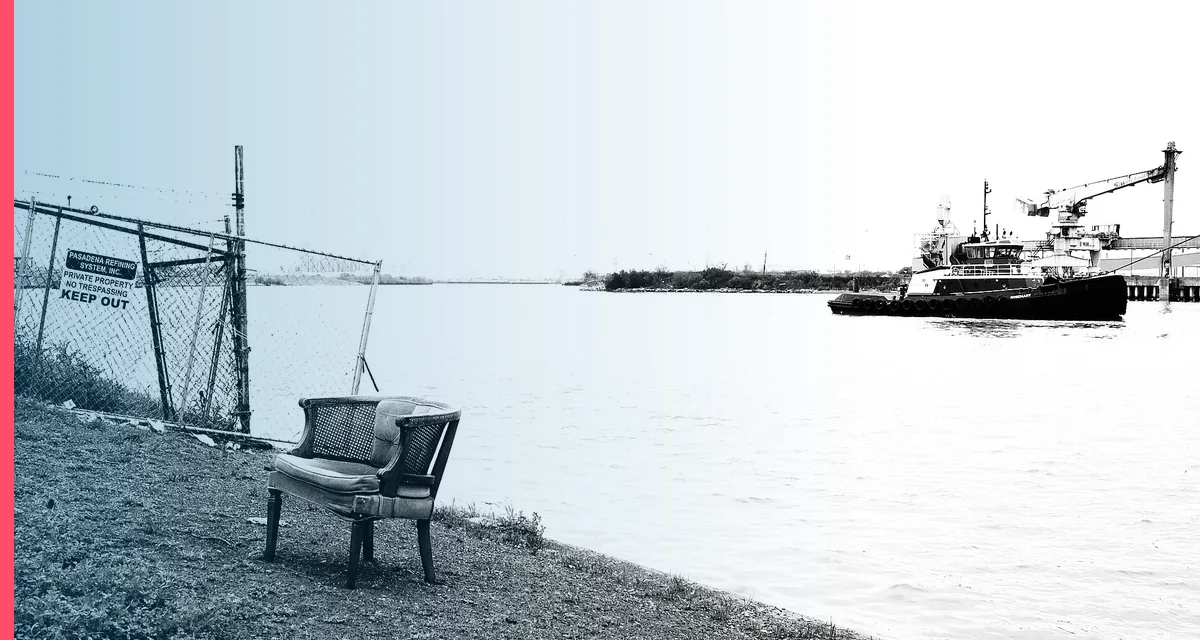
Where the sale belongs
Freight does not stay in one place. A cost can start in another state and be billed here, or the other way around. The books should show that movement in plain categories. If the only record is a total called shipping, the month cannot explain itself.
Sales tax follows the address the rules name. On a city address in Harris County the combined rate is 8.25 percent, built from the state, the city, and the transit authority. A delivery address somewhere else can be a different rate. The lookup beats a habit.
The close when the loads do not match the month
Loads do not end on the last day of the month. Cash might. The close tells the truth about both. An open load is not a reason to leave the whole month open. It is a line you can point to.
The ship photograph on this page is a ship in the ship channel, not a harbor from another coast. The fact in the books is still your load. The photograph only shows the place the work moves through.
People on the dock and in the office
If you pay people, payroll is set up on a provider you run. Drivers, warehouse staff, and office staff may not be the same kind of pay. Setup is where that is sorted. The checks after setup leave from the provider account you keep.
Months are closed before the return is assembled. A year of loads reconstructed in April is a harder return than a year that was closed as it happened.
One load, written plainly
Take one load from last month and say where it started, where it was billed, and which account the cash hit. If that story takes more than a few sentences, the categories are hiding it. The close should make that load boring.
The rate on the delivery address is a lookup, not a habit from the last customer. Bring the address question if that is the notice you received.
Make the odd load ordinary
The load that crossed a line is the one to describe first, because the ordinary loads already look like the software expects. Say the state, the bill to, and the cash account. Once that load has a category, the next one like it is no longer a project. That is the point of the close.
Where the cost was, and where the work was
Where a cost was incurred and where the work it paid for happened are two facts. Both have to be captured while the month is open. If the only record is a total called shipping, the month cannot explain itself later. A load that crossed a state line is the one to describe first, because the ordinary loads already look like the software expects.
Having people, property, or activity in another state can create a filing there. The threshold varies and the rules differ. None of that is decided by how the trip felt. Once the categories exist, the answer is often quick. Sometimes the answer is that nothing else has to be filed. Sometimes the answer is a return in the other state. Either answer is better in the month the load moved than in April.
The first month produces costs coded so the line is visible, and a straight answer on whether anything has to be filed anywhere else. The person who decides the category is deciding what the return will be able to show. Bring one load from last month and say where it started, where it was billed, and which account the cash hit.
Barbours Cut is on the ship channel, and owners all across Texas can still recognize a working port when they see one. You see cranes. We see a delivery address that may not match the last customer's tax row, and we check the Comptroller locator before the report goes out.
Name the month
A sentence about the month is enough.

You will be talking to the Steven Palmieri practice.